

Level of Significance
- File
- Local
- Regional
- State
- National
Age
147yrsTrees
1Diameter
1mHeight - 13m


Details
- Outstanding size (Scientific)
- Location/Context (Social)
- Landscape (Social)
- Person/Group/Institution (Historic)
- Unusual (Aesthetic)
Statement of Significance
What is significant?
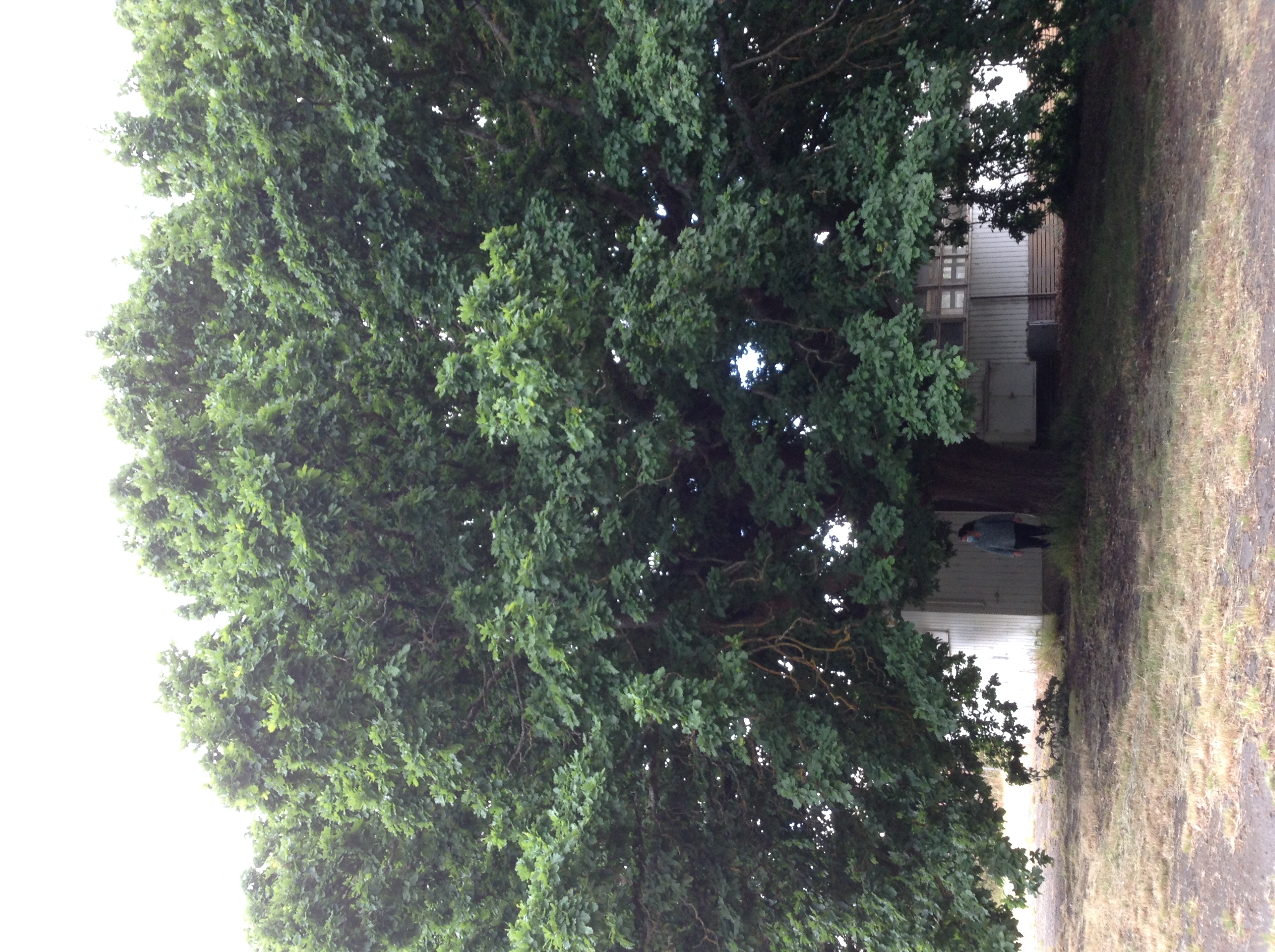
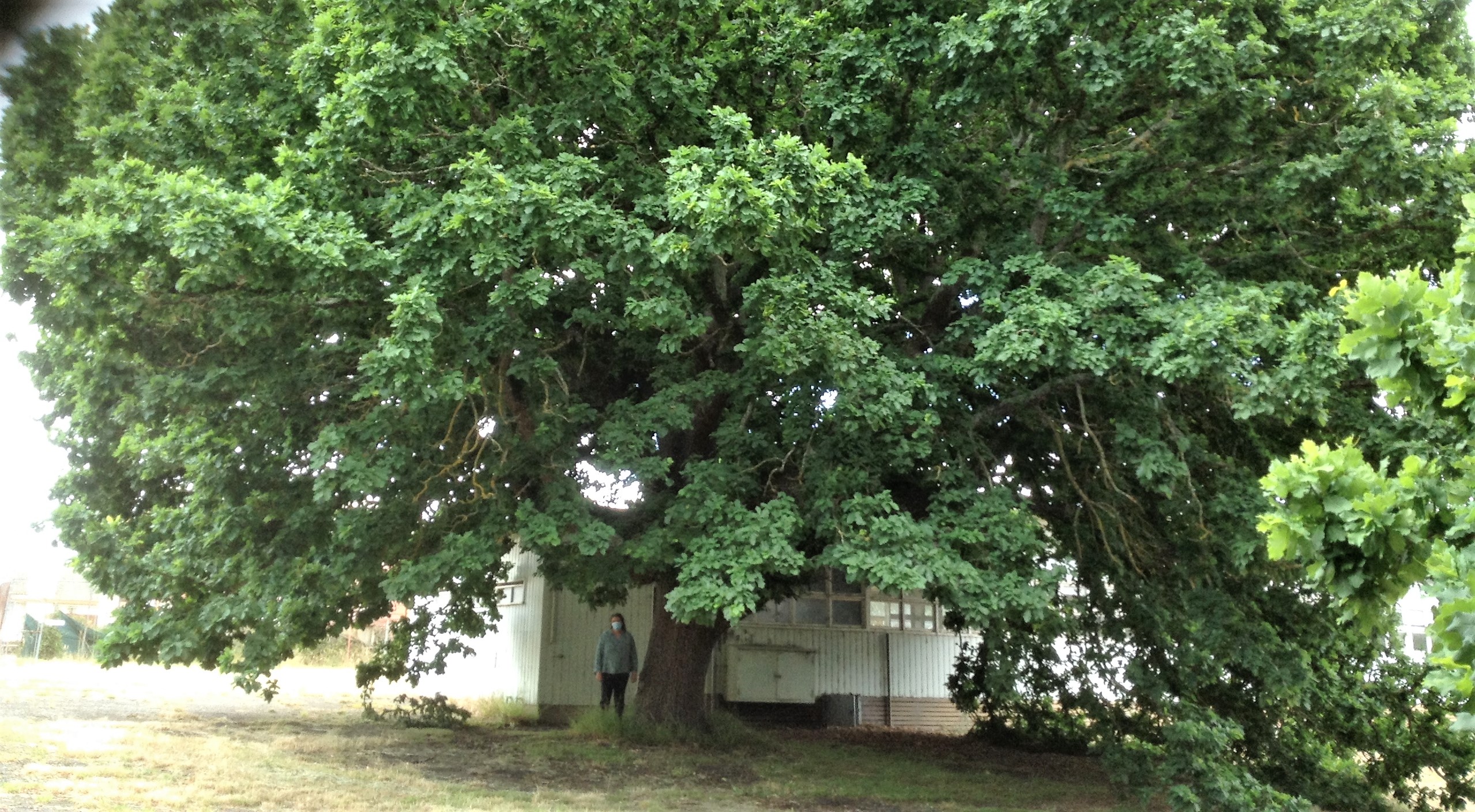
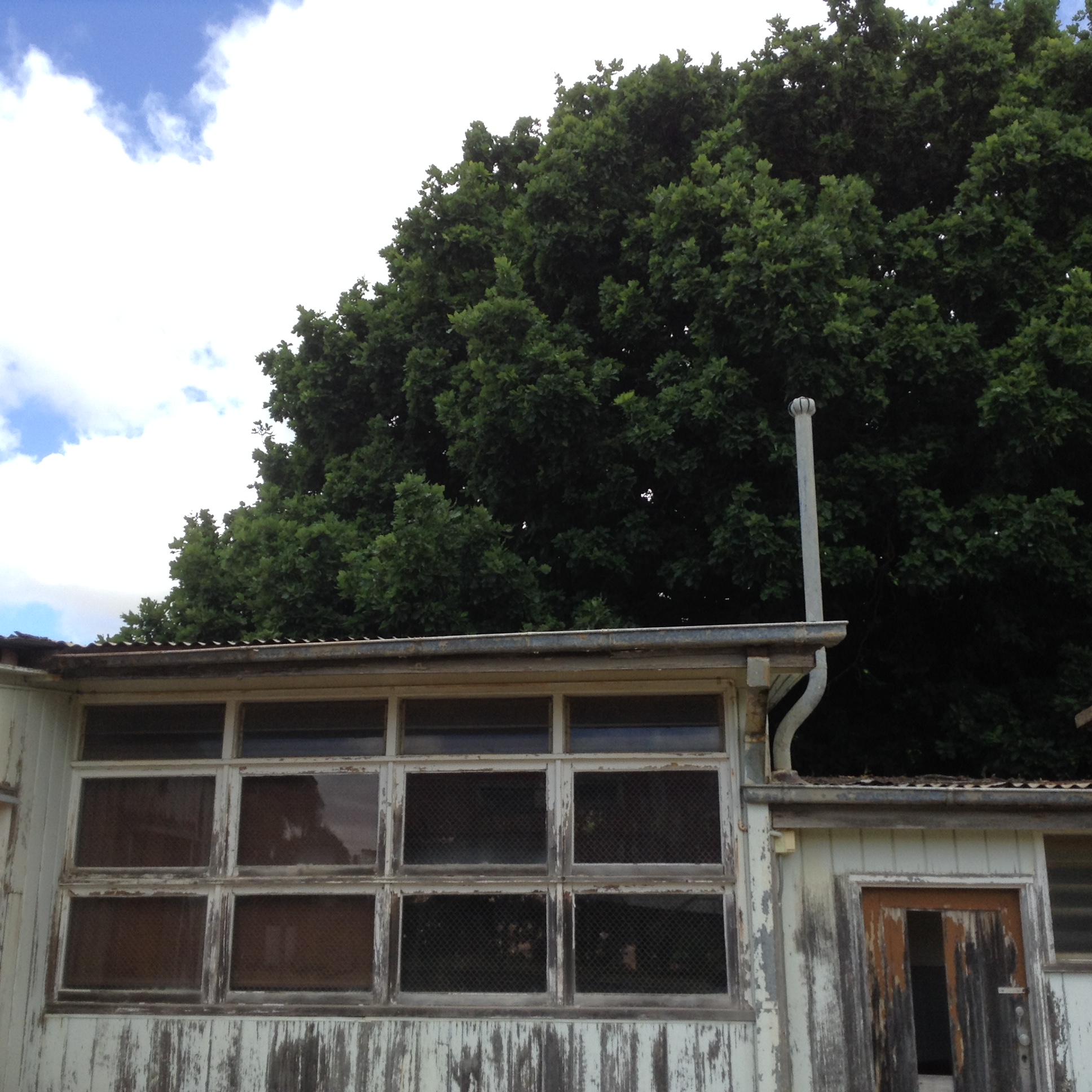
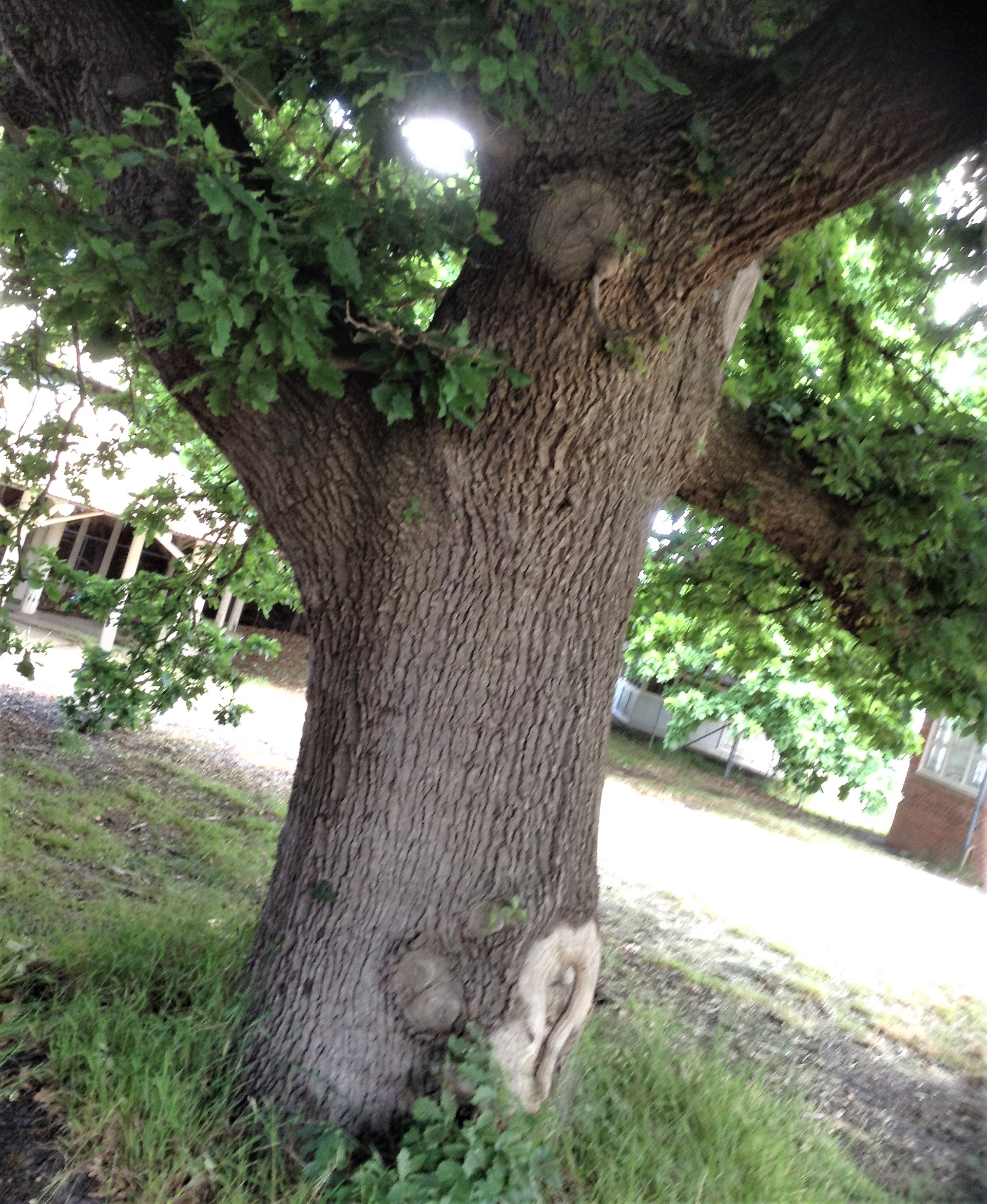
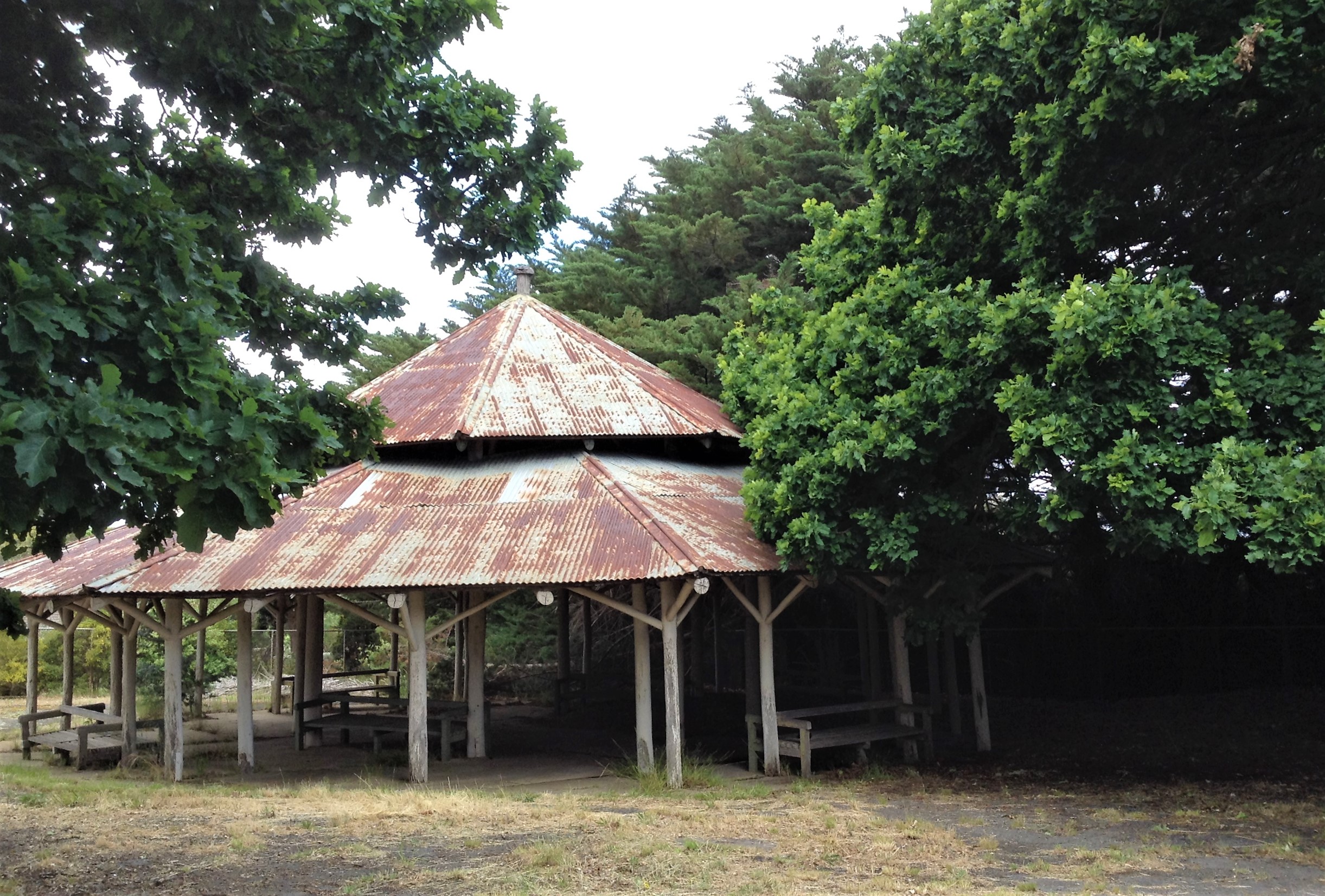
This English Oak is one of a pair growing in the female airing court of Aradale Asylum. It is located next to the demountable workshop.
How is it significant?
This English Oak is significant for scientific, historic, social, and aesthetic reasons at the Regional level.
Why is it significant?
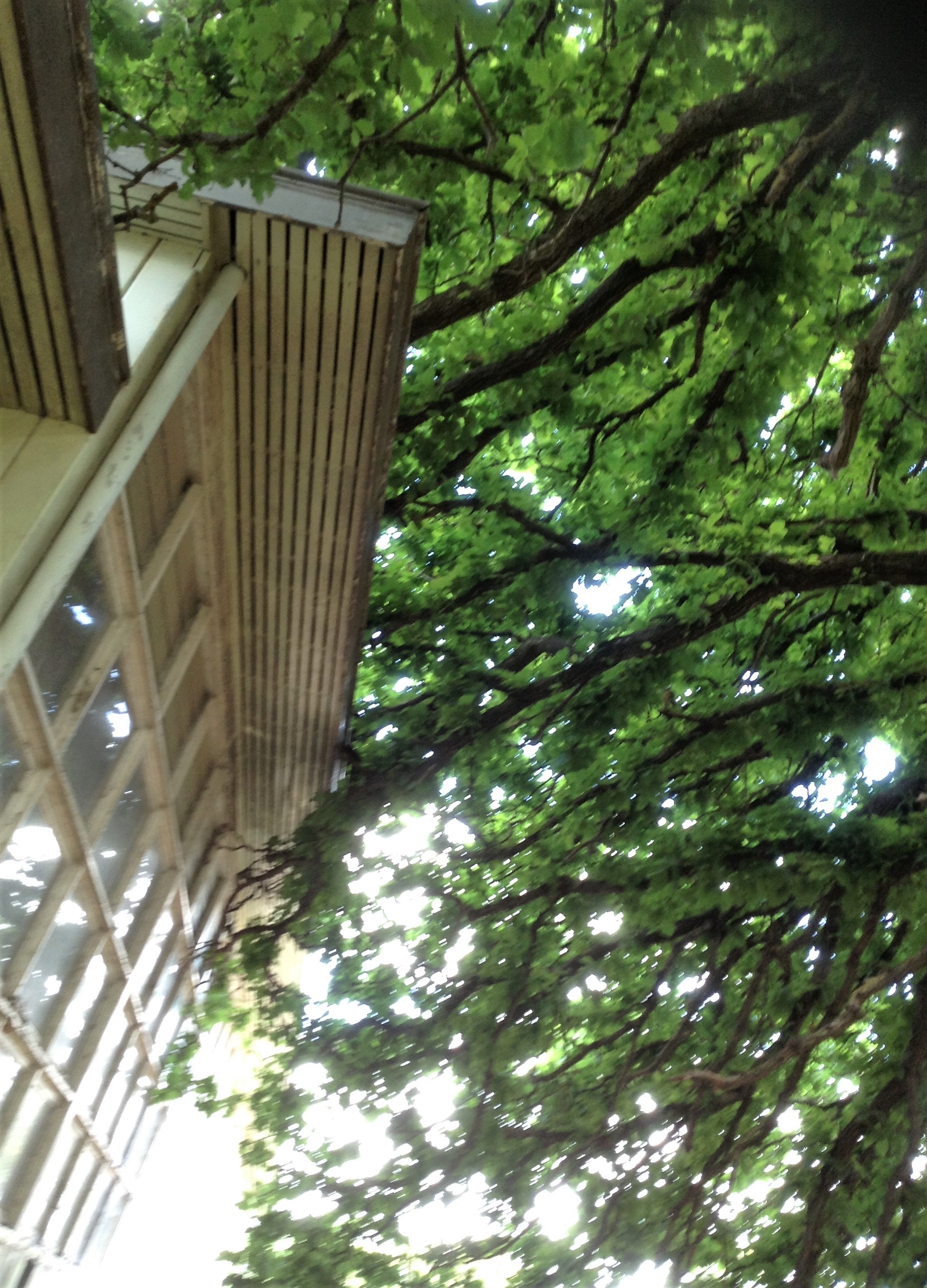
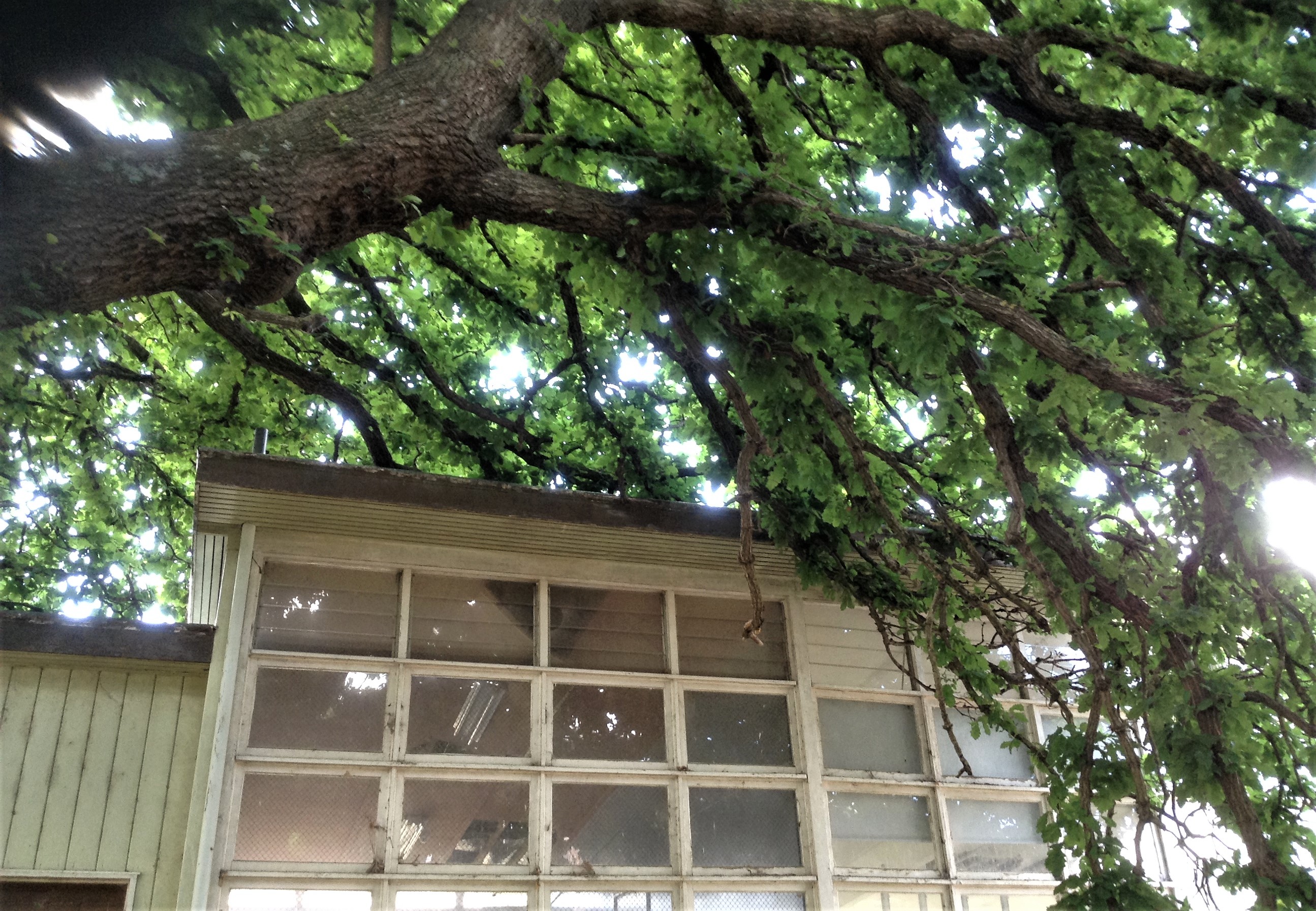
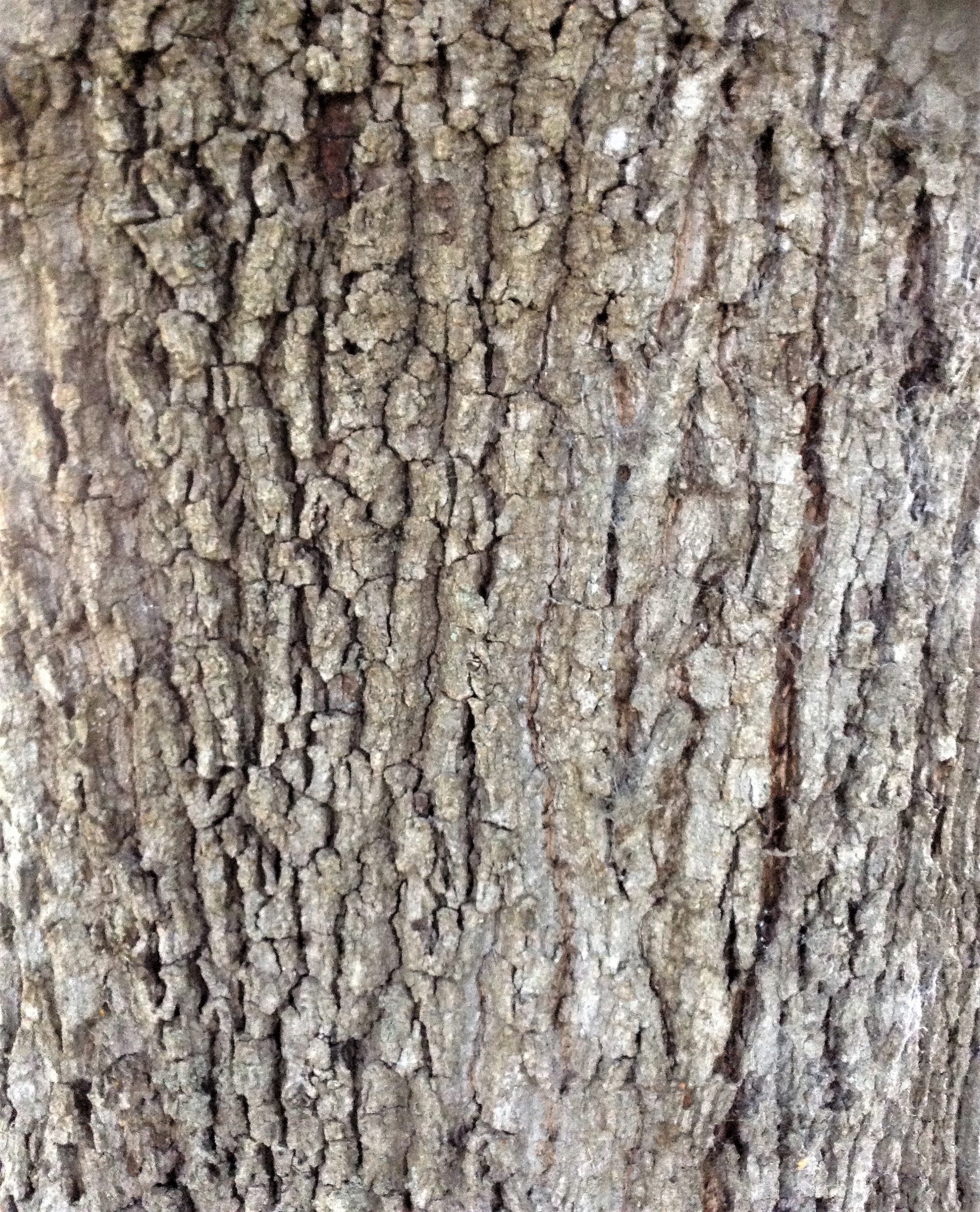
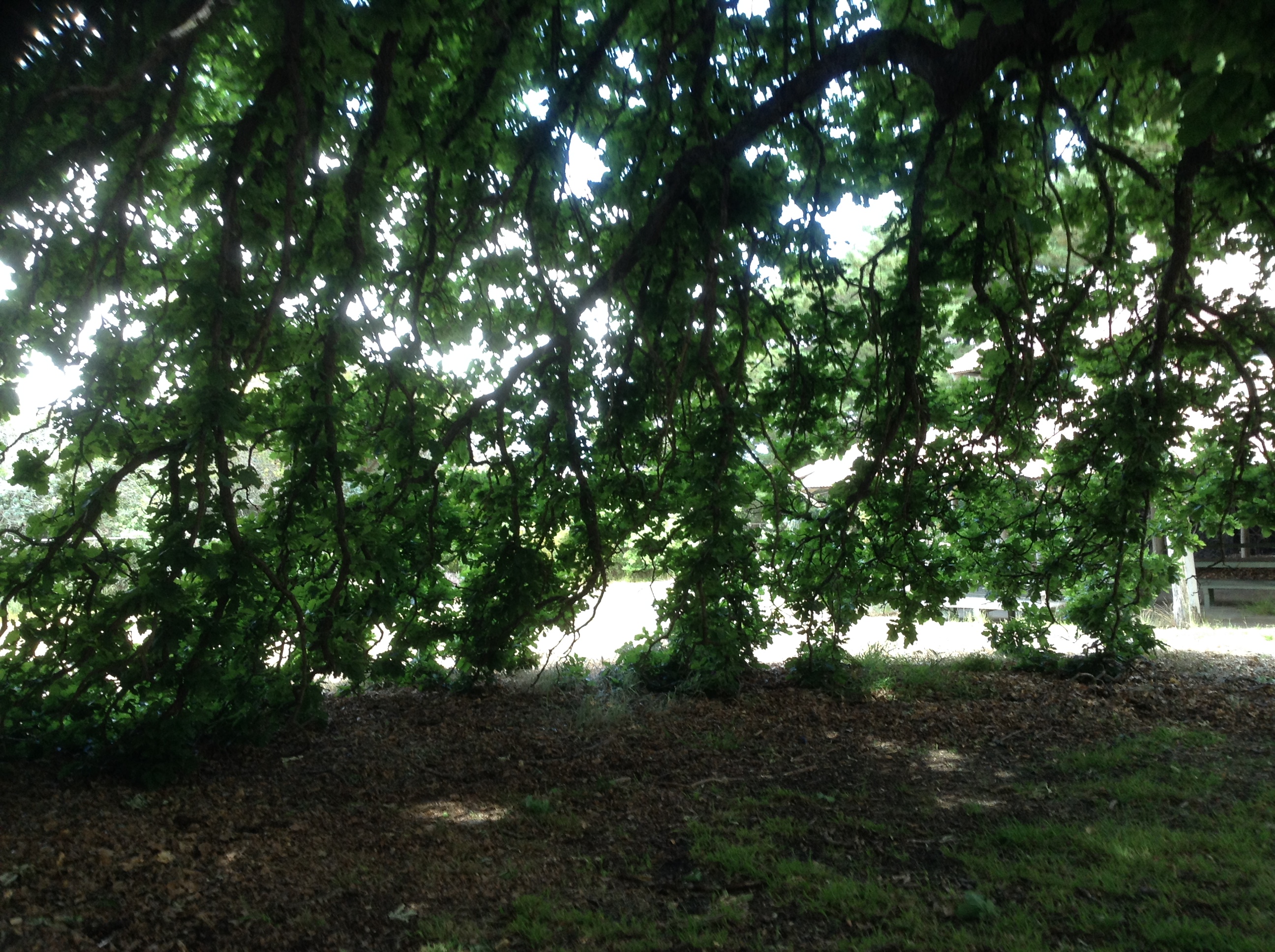
This English Oak is scientifically and aesthetically significant for its large canopy spread and form. Due to minimal human intervention over the years, the canopy is touching the ground, giving this tree a unique aesthetic.
This English Oak is historically significant as one of the few remnant plantings from the original plantings at Aradale (File no: B2122). Aradale was built in 1864-67 as the Ararat Lunatic Asylum, and used for its original purpose until its closure in 1994. It is listed in the Victorian Heritage Register for architectural, historical and social significance (VHR 1223).
The landscaping of the site was completed by prominent landscape gardener Hugh Linaker in 1916, however this planting is from earlier landscaping conducted in 1879. The oaks were planted on recommendations of Mr Ferguson, Inspector of State Forests in 1871, to add restful, shaded areas where patients could connect with nature in a therapeutic way. An Argus newspaper article quotes Ferguson as saying, 'A few oaks ... might be interspersed in groups throughout the plantation to vary and brighten up the landscape by their sweet tints of autumnal foliage'. It is one of two oaks in the garden (T12447), and one of several trees on site listed in the Significant Tree Register. A Pink Hawthorn (T11275) and an Irish Yew (T11276) are also listed.
This English Oak is socially significant for its contribution to the landscape. The remnant Oak plantings are heavily overgrown and their relationship to the buildings are a key element of the landscape, sitting in contrast to the pale brick walls and adding to the atmosphere of the disused buildings.