

Level of Significance
- File
- Local
- Regional
- State
- National
Age
136yrsTrees
2Diameter
0.8mHeight - 11m


Details
- Resistance (Scientific)
- Outstanding size (Scientific)
- Attractive (Aesthetic)
Statement of Significance
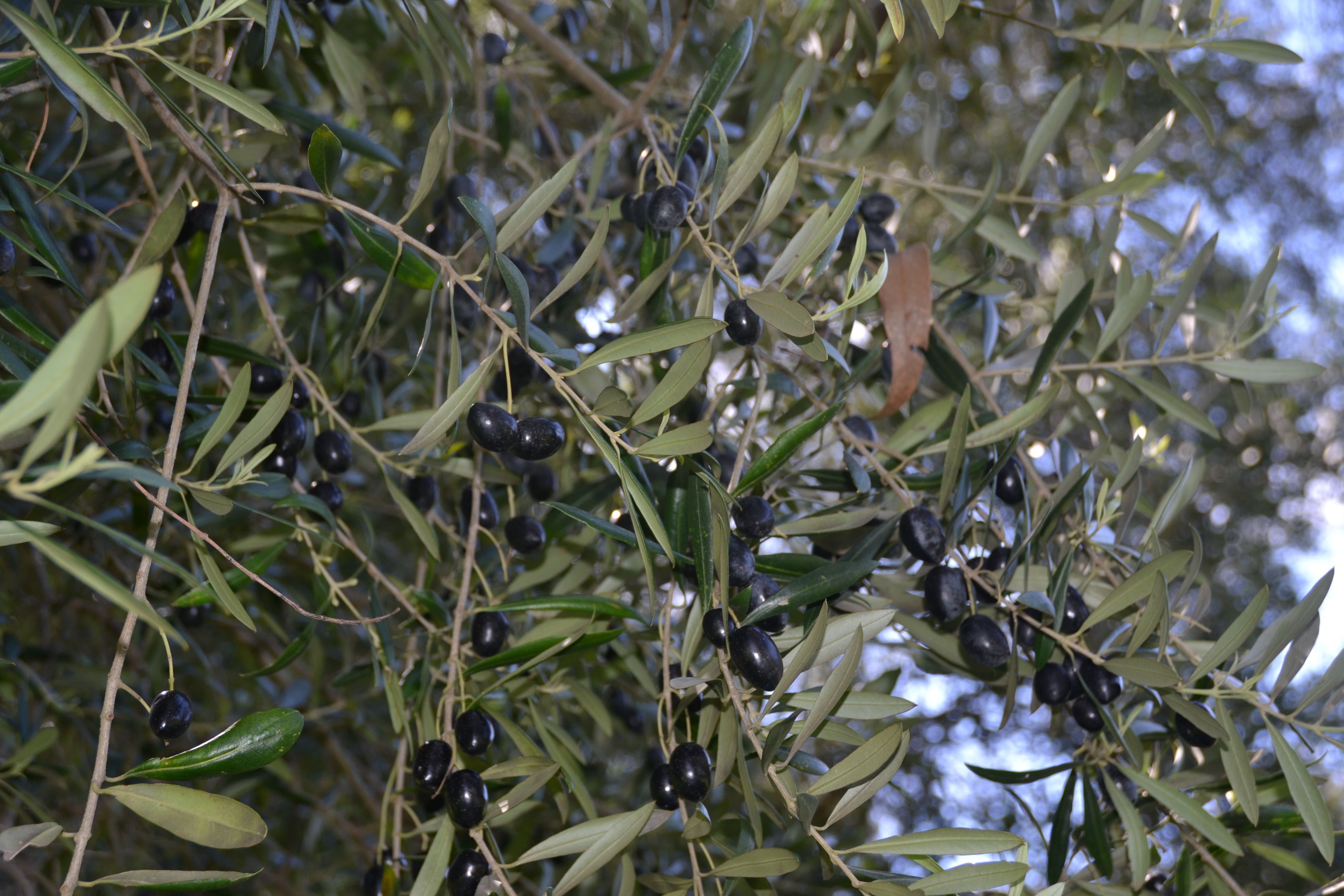
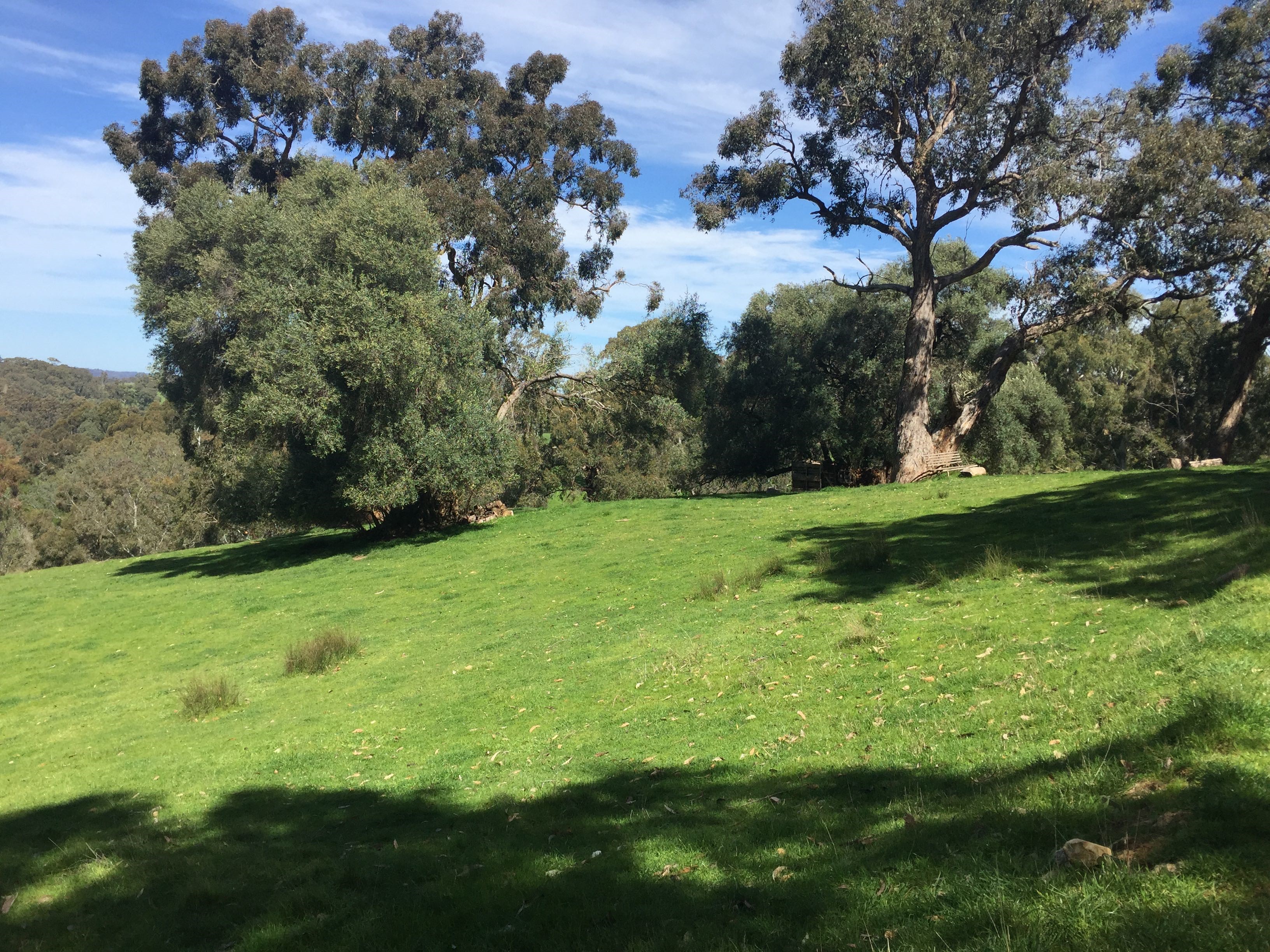
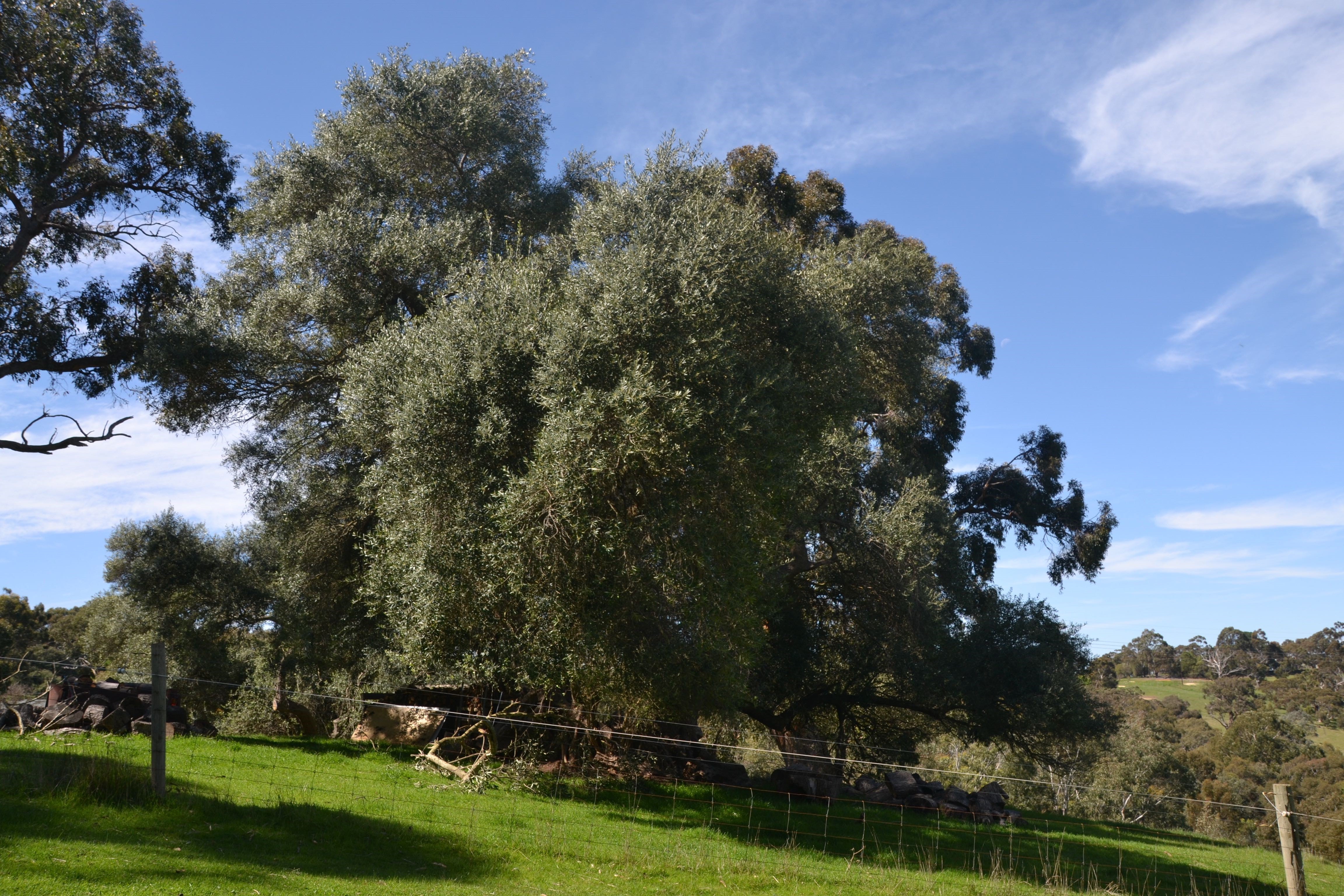
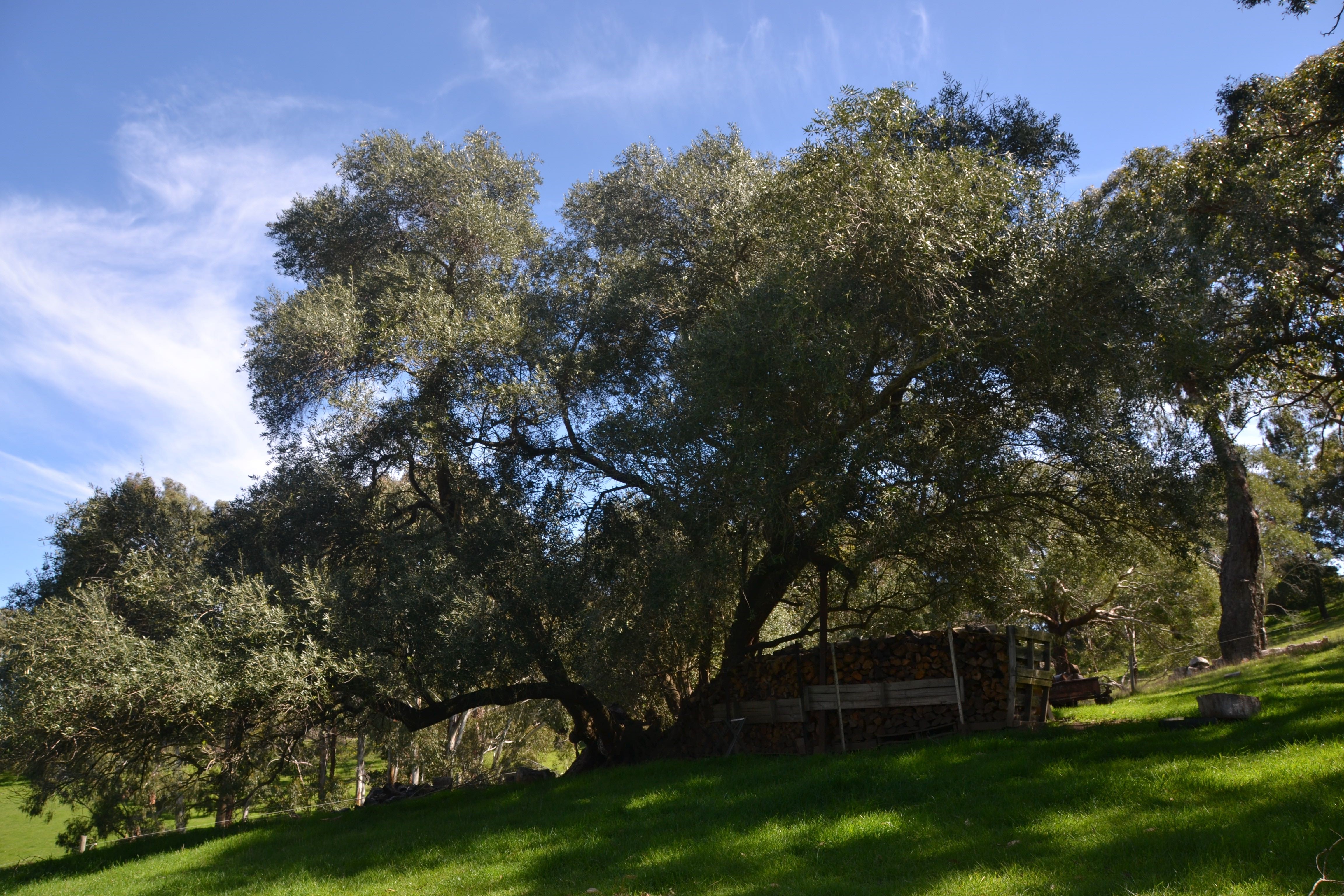
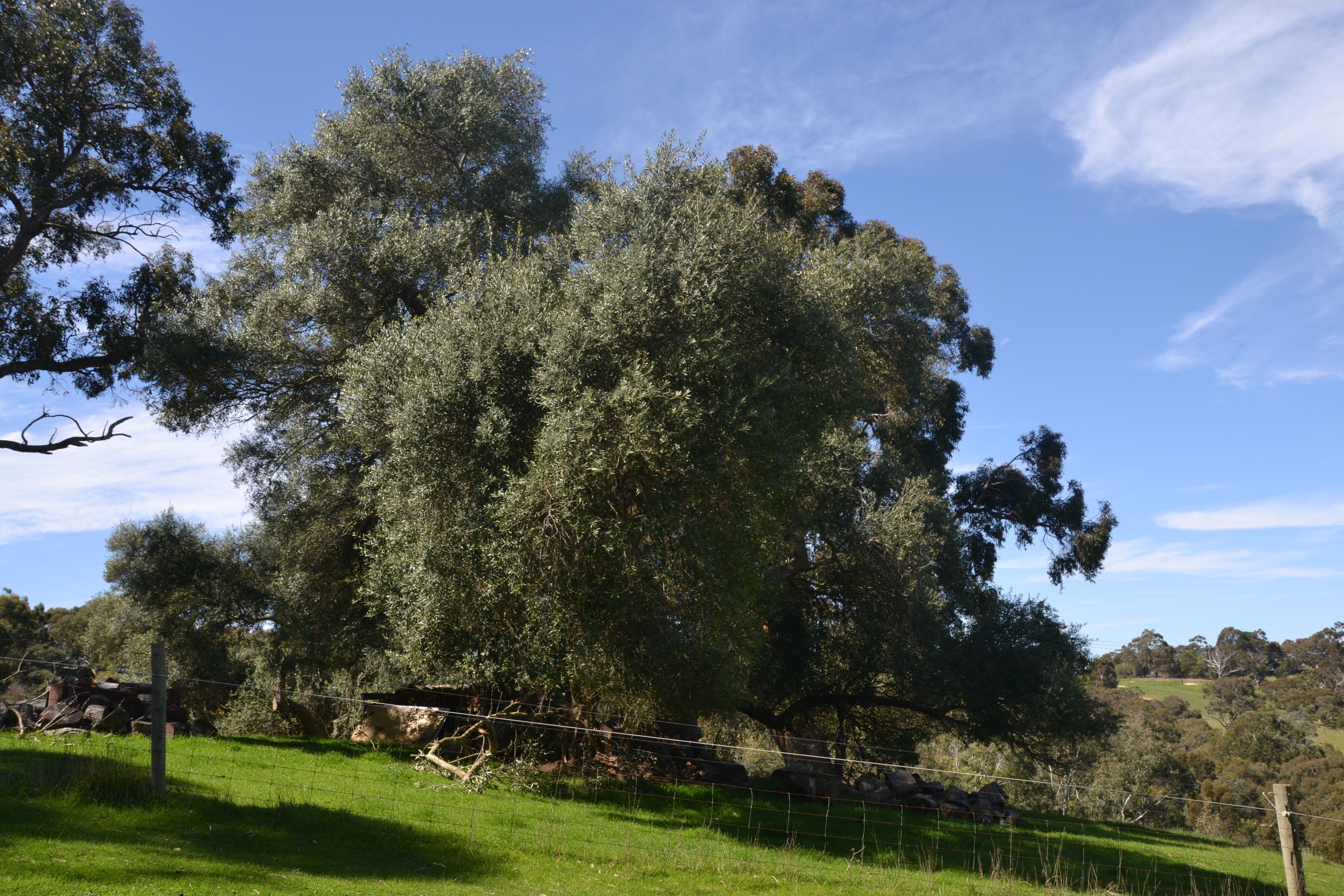
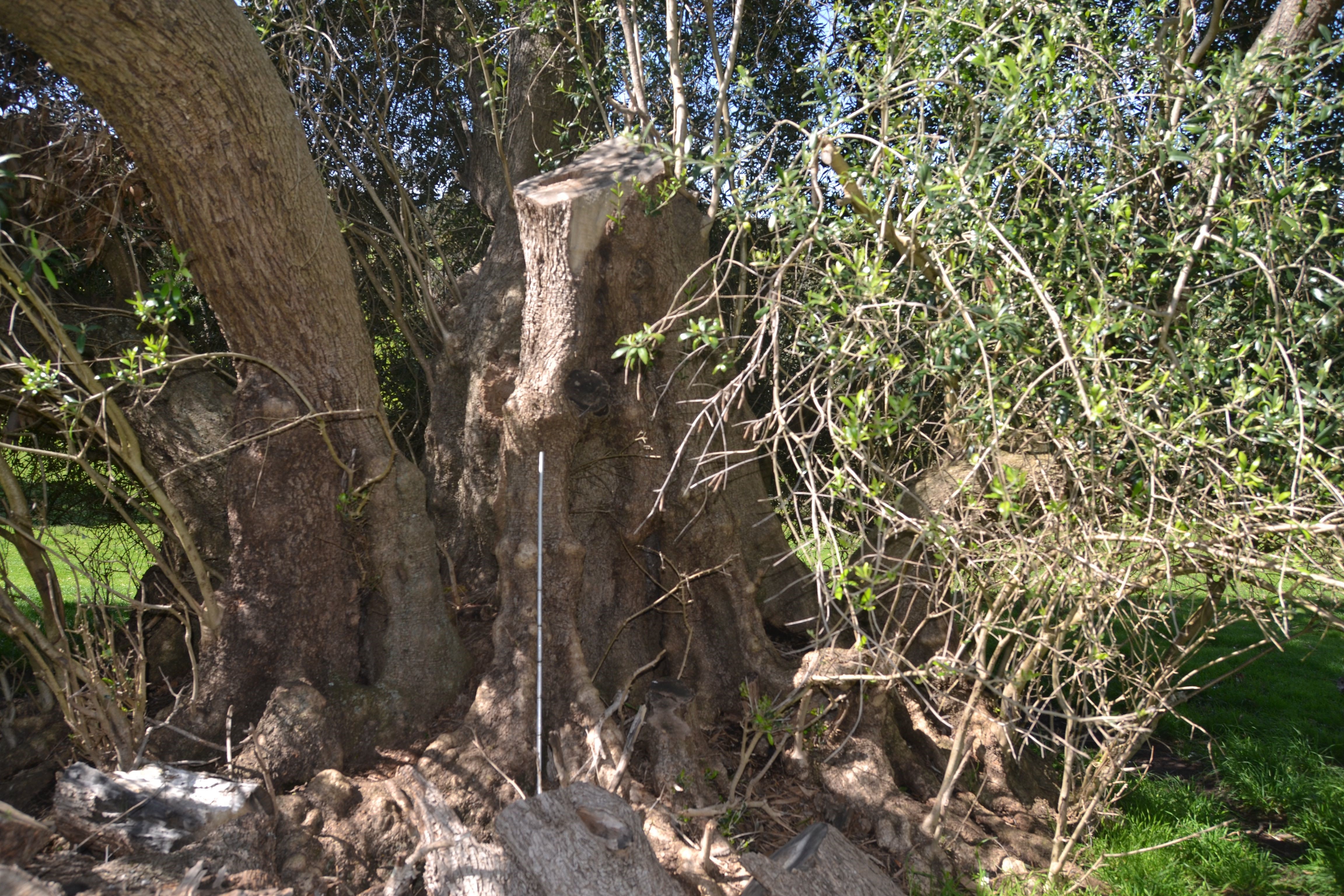
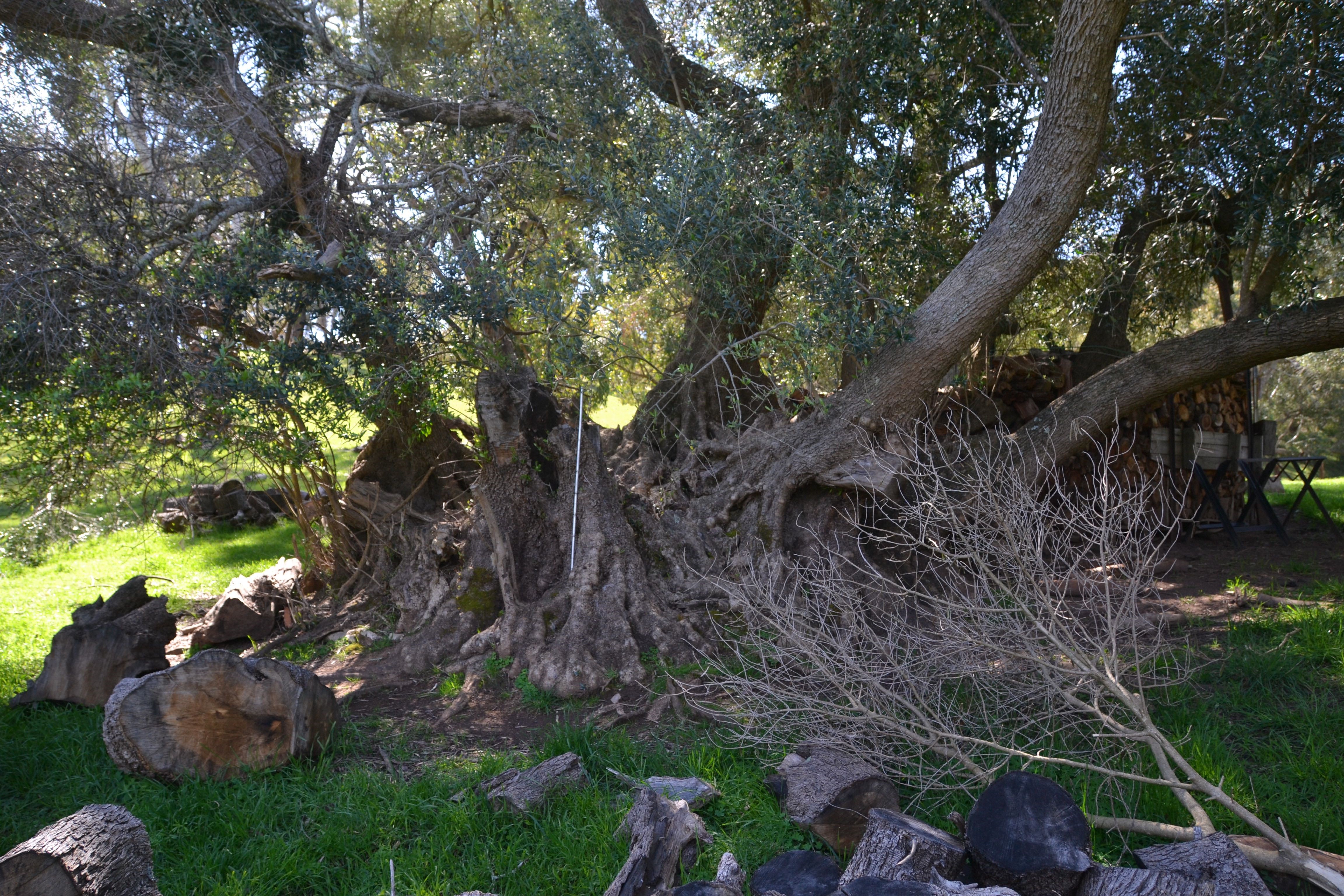
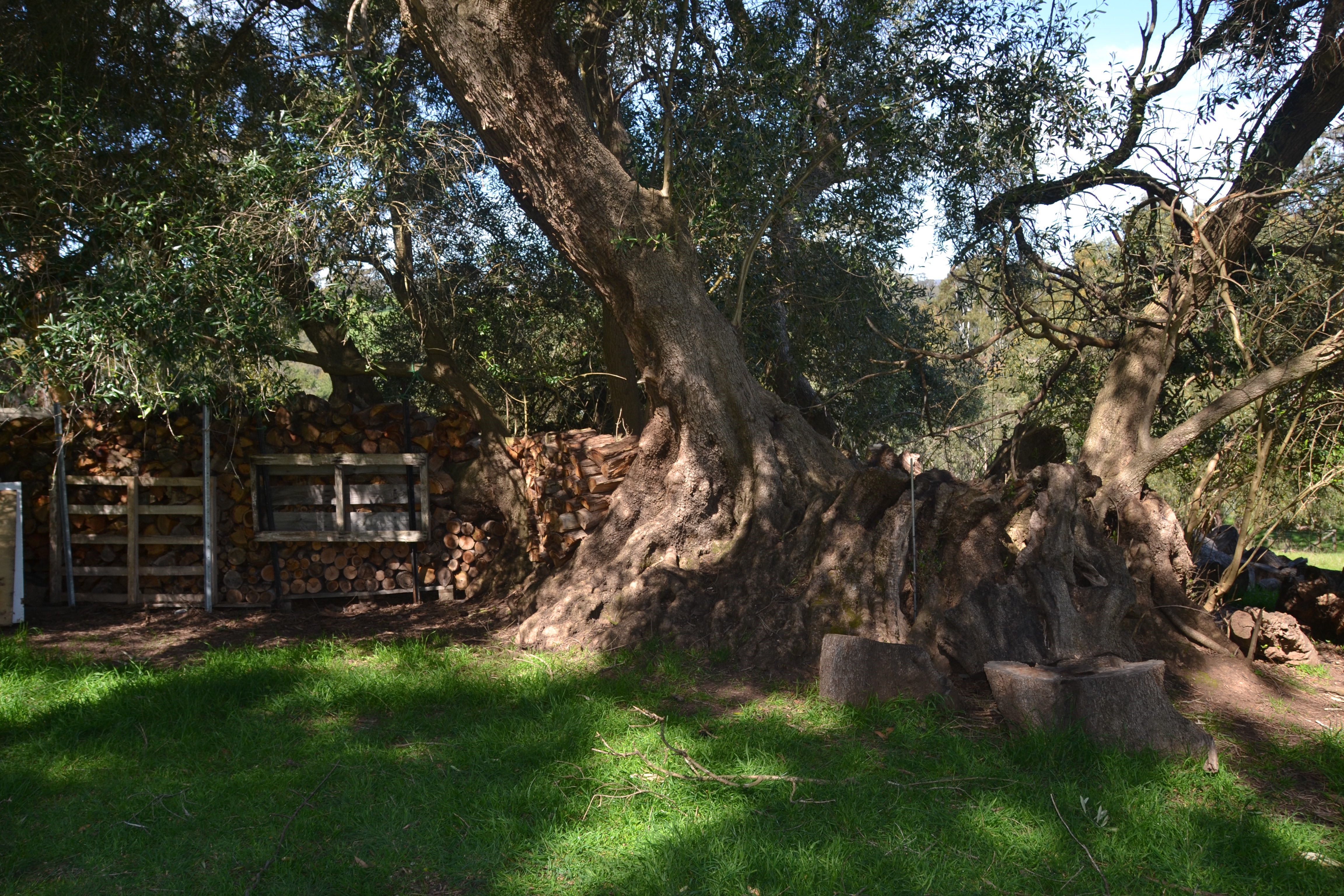
Size and age: These trees, and tree 2 in particular, are both old and unusually large for this species.
Historic ownership of the land. Although it has been impossible to identify an exact age, the trees are within the historic area of Cherry Gardens, and are on land taken up by Luke Broadbent, who arrived in the district in 1844 and was among the first group of settlers in Cherry Gardens.
In 1843, Daniel George Brock, who was to venture on an expedition with Captain Sturt, passed through the area and wrote that ‘the land which is her cultivated [is] almost all in gullies and extremely rich, and the ranges are well grassed and timbered - here and there being discovered paddocks of green wheat’.
A year after Brock passed through, Henry Field and Isaac Jacobs were recorded as farming land at Cherry Gardens. By this time, they had been joined by the likes of their former employer, Burgess, by Luke Broadbent and by the Ackland, Boothby, Brunskill, Chambers, Giles, Gill, Gillard, hill Mackereth, McKay, Middleton, Mildwaters, Weymouth, Westcomber,and White families…’ (http://onkaparingacity.com/onka/discover/history_heritage/history_of_onkaparinga/suburb_profiles/history_profile_cherry_gardens.jsp ).
The trees are also within approximately 1.75km of the stone Wesleyan Chapel opened in March 1849 and in continual use since its opening. There are two fragments of slate embedded in the margins of Tree 1. These appear to be Willunga slate, commonly used for headstones, cottage floors, water tanks etc during the first years of colonial South Australia.
There are slate headstones in the graveyard associated with the Uniting Church.
‘First opened in March 1849, the Cherry Gardens Wesleyan Methodist Church (now Uniting Church) has been a focal point for the district’s Christian worship since that time. Surrounded by slate headstones - made by George Sara of Willunga - the chapel has been extended on two occasions’ (http://onkaparingacity.com/onka/discover/history_heritage/history_of_onkaparinga/suburb_profiles/history_profile_cherry_gardens.jsp ).
Although no direct links have been established between the historical facts and the two olive trees, the probable age of the two trees are an indication of a link between them and this historical property.